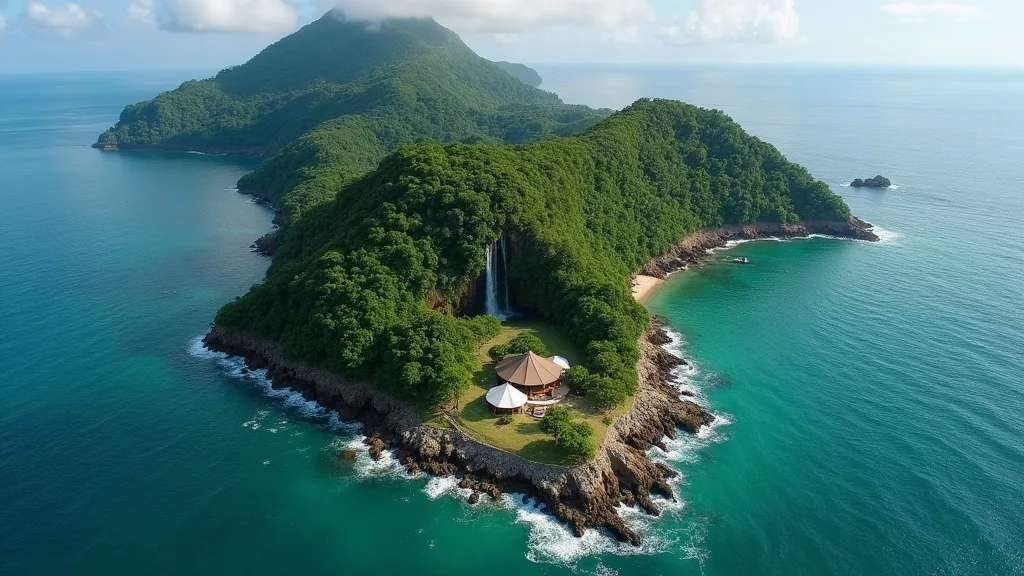
Labuan Bajo Seaplane Phinisi Rendezvous Charter
The desk coordinates a floatplane sector timed to your vessel’s embarkation, landing beside your phinisi or liveaboard in a sheltered anchorage that the captain and pilot both approve, with a tender transfer of guests and luggage between aircraft and yacht — arranged through licensed seaplane and charter partners, quoted in writing, as of 2026.
A phinisi rendezvous differs from a normal airport transfer: instead of driving guests to a harbour, the floatplane flies to wherever the yacht is anchored — inside Labuan Bajo bay on embarkation day, at a mid-route anchorage during a multi-day cruise, or back near town at the end of the charter. Every leg depends on daylight, sea state and the operator’s approval of the anchorage.
Where can a seaplane meet my phinisi?
A rendezvous only happens where the pilot and captain agree the water is sheltered enough for a safe landing and tender run — typically inside Labuan Bajo bay, a calm cove near a scheduled anchorage, or open water near a dive stop if conditions allow. The point is fixed a day or two out once the captain confirms the vessel’s position and the operator checks the weather window. Inside Komodo National Park, the landing point is also subject to park authority rules, not the desk’s discretion.
How is timing matched to embarkation?
The floatplane sector is scheduled backward from when your itinerary needs guests aboard — captains generally prefer mid-morning or early-afternoon boarding so the vessel can still make its first day’s route in daylight. The desk checks your window against the operator’s daylight-only flight rules, then proposes a departure slot with buffer for weather delay.
| Scenario | Typical timing | Tide / sea note | Tender note |
|---|---|---|---|
| Day-1 join, Labuan Bajo bay | Morning departure, boarding before the vessel sails out | Inner bay is usually calmer; captain still checks wind direction | Short tender run, often under 10 minutes to the yacht |
| Mid-cruise join or leave, sheltered anchorage | Coordinated to the vessel’s overnight or lunch stop | Anchorage choice favours the calmest lee side available that day | Tender launched from the yacht once the floatplane is down and stable |
| End-of-cruise pickup, back to LBJ | Scheduled around the final morning before disembarkation elsewhere | Weather call made the evening before and reconfirmed at dawn | Luggage loaded first, guests transferred in a second run if the group is large |
Timing above is indicative and confirmed in writing by the licensed operator once your vessel and dates are known — sea state can push a slot earlier, later or to the next weather window.
Who handles the tender transfer?
The yacht’s own crew runs the tender between the floatplane and the phinisi once the aircraft is down and the pilot signals it is safe to approach. The desk shares a short checklist with both sides beforehand so nothing is assumed on the day.
| Check item | Confirmed by | Why it matters |
|---|---|---|
| Anchorage sea state on the day | Captain and pilot, morning of departure | A landing that looked fine yesterday can be refused this morning |
| Tender capacity for guests plus bags | Captain | Undersized tenders mean a second, slower run |
| Luggage weight per passenger | Guest, verified against operator limit | Floatplane cabins carry tight weight allowances |
| Direct VHF or WhatsApp contact | Both crews, exchanged in advance | Removes the desk as a relay once the aircraft is airborne |
| Daylight cut-off for the sector | Pilot | Floatplanes in this region do not fly rendezvous legs after dark |
Is a rendezvous inside protected park waters allowed?
Sometimes, and never as a guarantee. Anchorages inside Komodo National Park are governed by the park authority as well as the operator’s weather and safety call, so a landing point cleared for one charter may not be cleared for another date or vessel. The desk asks the licensed operator to confirm, case by case, whether your proposed anchorage is currently permitted, and builds the itinerary around whatever answer comes back in writing.
How does the price structure work?
There is no fixed public fare for a phinisi rendezvous — sector length, landing point and group size all move the number. What the desk can explain is the pricing structure.
| Factor | Shared-seat sector | Private charter |
|---|---|---|
| Basis | Priced per seat when the aircraft also carries other passengers on that leg | Priced per flight, for your group only |
| Flexibility | Fixed departure window, less room to match an unusual anchorage time | Timing built entirely around your vessel’s schedule |
| Typical cabin size | Small groups; single-engine floatplanes commonly seat up to about eight passengers, confirm on quote | Same aircraft type, booked exclusively |
| Luggage | Per-person limit commonly in the 15–20 kg range, confirm on quote | Same allowance, sometimes more flexible with fewer passengers |
| Seasonal effect | High season (July–August, Christmas–New Year) and last-minute requests generally push price up | Same seasonal effect applies |
Every real quote is issued in writing by the licensed operator, dated 2026, subject to change with weather, fuel and season.
How does booking work?
- Send the desk your vessel name, captain’s direct contact and your planned embarkation or pickup date.
- The desk relays the request to a licensed seaplane operator and, if needed, a phinisi partner, and asks for anchorage and weather feasibility.
- The operator proposes a sector time and landing point; the captain confirms the anchorage from the vessel side.
- You receive a written quote covering the sector, luggage allowance and any weather contingency terms.
- Once confirmed, the desk shares the VHF/WhatsApp contact chain between pilot and captain for the day of the rendezvous.
Ready to coordinate a rendezvous? Send your vessel name, captain’s contact and target embarkation time to the Juara Holding Group desk on WhatsApp at 6281139414563 or bd@juaraholding.com. Juara Holding Group is an independent coordination desk, established 2015, arranging seaplane and phinisi services through licensed partners — not the aircraft or vessel owner, and it cannot guarantee a landing until the operator confirms in writing.
This rendezvous product is separate from a straightforward harbour pickup, where guests board a phinisi already tied up in town rather than meeting it at anchor.
Frequently Asked Questions
Can a seaplane really land next to a moving phinisi?
No — the vessel needs to be stopped and anchored, not underway, before a floatplane will attempt a landing nearby. The pilot lands first, taxis toward the yacht once conditions are confirmed safe, and the tender then closes the remaining distance. A captain who cannot anchor in time on the agreed slot should tell the desk immediately so the sector can be rescheduled.
How far in advance should I book a phinisi rendezvous seaplane?
Most operators want at least two to three weeks’ notice to check aircraft availability, match crews and review the proposed anchorage, and longer during July–August or the Christmas–New Year peak. Last-minute requests inside a week are sometimes possible but usually cost more and carry a higher chance the preferred time slot is already taken.
What happens if the sea is too rough for the rendezvous on my travel day?
The pilot and captain make the final call on the morning of departure, not days ahead, so a rough-water rendezvous is typically postponed to the next safe window or moved to a calmer anchorage nearby rather than cancelled outright. If neither is possible that day, the desk works with the operator on a same-day alternative such as a harbour pickup instead.
Can the seaplane pick up more than one couple or family at the same rendezvous?
It depends on total headcount and luggage weight against the aircraft’s confirmed capacity — small floatplanes commonly seat up to around eight passengers, so two or three couples travelling together can often be combined into one private charter sector. Larger groups may need a second flight or a bigger aircraft, which the operator quotes once your numbers are known.
Does the rendezvous work for mid-cruise crew changes on a liveaboard?
Yes, this is one of the more common uses — swapping guests partway through a multi-day liveaboard route without sailing the vessel back to Labuan Bajo. The desk matches the floatplane sector to whichever anchorage the captain is holding that day, subject to the same weather and park-water approval as any other rendezvous.